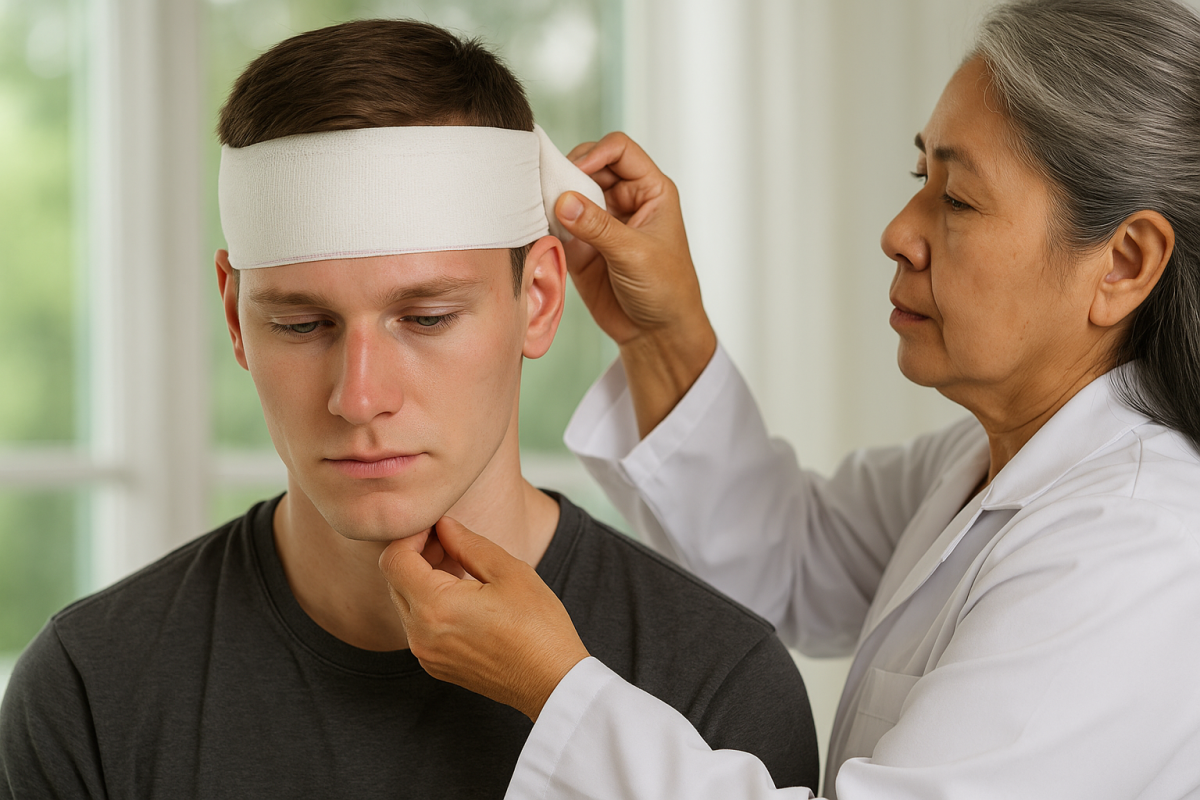
Consequences of Traumatic Brain Injuries
Consequences of Traumatic Brain Injuries: Impact, Diagnosis and Modern Rehabilitation Options
Traumatic brain injuries (TBI) are among the most complex types of damage, as they disrupt the functioning of the central nervous system and can affect all bodily functions. Even a mild blow to the head may cause changes that appear weeks or months later. This is why early diagnosis and proper rehabilitation support play a crucial role in recovery. After a TBI, patients may experience motor impairments, cognitive issues, speech disturbances, emotional instability, coordination problems and changes in sensory perception.
Damage to brain tissue is often accompanied by impaired conduction of nerve pathways. As a result, the brain may not receive or send the necessary signals to organs and systems, leading to memory problems, attention deficits, visual and auditory disturbances, speech difficulties and impaired motor control. Severe injuries may lead to paresis, paralysis, behavioral changes, emotional lability, depressive states and cognitive disorders.
Main causes of traumatic brain injuries
Head injuries occur in various life circumstances — from domestic falls to severe road accidents or professional activities. Even a minor impact may have serious long-term consequences if not diagnosed in time.
- Falls at home, during repairs or due to loss of balance.
- Sports injuries — in contact sports, winter disciplines or during intense physical activity.
- Road traffic accidents involving drivers, passengers or pedestrians.
- Workplace injuries — impacts, falling objects or mechanical trauma.
- Combat-related injuries or those sustained during service activity.
Statistics show that around 80% of TBIs seem mild, but without proper diagnostics they may lead to hidden complications that manifest years later. This especially applies to memory impairments, chronic headaches, emotional instability and cognitive changes.
Types of injuries and possible consequences
Severe impacts may result in skull fractures, hemorrhages, hematomas and damage to brain tissue. Open injuries pose a particular danger due to a high risk of infection, while closed injuries often involve brain swelling and compression of vital structures.
The most dangerous conditions include:
- hemorrhages beneath the brain membranes;
- compression of brain structures by bone fragments or hematomas;
- areas of brain tissue contusion requiring surgical intervention;
- prolonged consciousness disturbances and coma.
Consequences may appear immediately or over time, depending on the severity of the trauma, the patient’s age, accompanying injuries and the timely provision of medical care. In severe cases, irreversible damage to the nervous system may lead to disability.
Long-term consequences of TBI
Months or years after trauma, many patients develop chronic conditions related to structural changes in brain tissue. Scarring, adhesions and impaired circulation of cerebrospinal fluid may cause intracranial hypertension, atrophy of neural structures, coordination disorders, speech impairments and cognitive dysfunction.
Common symptoms include:
- problems with concentration and memory;
- emotional disorders, depression, anxiety;
- sleep disturbances;
- headaches and dizziness;
- slowed thinking and reduced productivity.
Psychotherapeutic support is essential, as psycho-emotional disturbances often develop gradually and may significantly affect quality of life.
Treatment of traumatic brain injuries
Treatment strategy depends on the severity of the injury. Mild TBIs are treated on an outpatient basis: rest, prescribed medication, monitoring and observation by a neurologist. Severe cases require hospitalization in a neurosurgical department, where surgery may be performed to reduce swelling, remove hematomas and relieve brain compression.
In intensive care settings, specialists support breathing, circulation, control intracranial pressure and stabilize vital functions. The duration of treatment may range from several weeks to several months.
Rehabilitation after TBI
Rehabilitation is an essential stage that significantly reduces the risk of complications and restores the patient’s ability to live a full life. Rehabilitation begins after the acute phase and includes physical, cognitive and emotional recovery methods.
Rehabilitation measures may include:
- Physical therapy and gradual restoration of motor functions;
- Massage and physiotherapy;
- Speech therapy sessions for speech impairments;
- Psychological support and psychotherapy;
- Cognitive training to improve memory, attention and thinking skills.
Best results are achieved within the first six months, but recovery duration depends on individual factors and the complexity of the injury. The key is regularity, professional supervision and gradual progression of activity levels.
FAQ
-
Can a mild concussion cause long-term consequences?
Yes. Even mild TBIs can lead to headaches, memory issues, irritability, and concentration problems. Symptoms may appear later, so medical evaluation is important.
-
When should rehabilitation begin after a head injury?
Rehabilitation typically begins after the patient’s condition stabilizes — usually 1–2 weeks after the acute phase. Early rehabilitation reduces the risk of complications.
-
Which symptoms are considered dangerous after a head injury?
Severe headache, vomiting, loss of consciousness, speech problems, double vision, limb weakness, or seizures. Any of these require immediate medical attention.
-
How long does recovery after a TBI take?
It depends on the severity. Mild injuries recover within weeks, while severe TBIs may require months or up to a year of rehabilitation.
-
Can complications after a head injury be prevented?
Yes. Regular neurological check-ups, adherence to rehabilitation, emotional regulation, and following medical recommendations significantly reduce risks.
Зареєструйтесь онлайн перед приїздом.