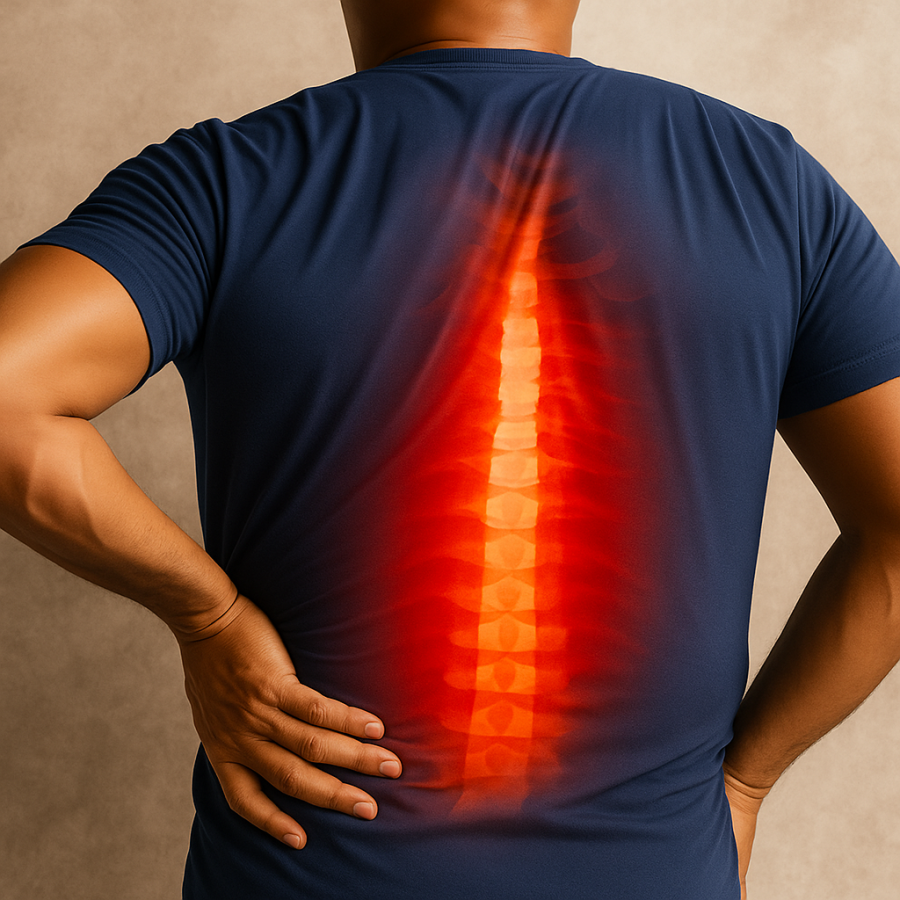
Hernias of intervertebral discs
Herniated Disc: Modern Understanding of Causes and Development
A herniated disc is one of the most common sources of chronic back pain and neurological symptoms. It occurs when the nucleus pulposus of the disc protrudes beyond its normal boundaries and compresses the surrounding nerve structures. This condition is often preceded by disc degeneration, poor posture, overloading, or a sedentary lifestyle.
At Graal Clinic, specialists focus on precise diagnostics and effective treatment of spinal conditions, combining advanced technologies with personalized care. Early intervention significantly reduces the risk of surgery.
How Does a Herniated Disc Develop?
Each disc consists of a tough annulus fibrosus and a soft nucleus pulposus. When elasticity decreases, the annulus weakens. A protrusion forms first, and if the ring ruptures, the nucleus escapes outward — creating a herniated disc.
The process triggers inflammation, muscle spasms, and compression of nerve roots, leading to severe pain and mobility limitations.
Main Symptoms of a Herniated Disc
Symptoms depend on the spinal segment affected and the degree of nerve compression. Specialists at Graal Clinic pay special attention to neurological signs that shape the treatment strategy.
Cervical Herniation
- neck stiffness and tension;
- restricted head movement;
- headaches, tinnitus;
- dizziness;
- numbness or tingling in the arms.
Thoracic Herniation
- pain radiating to the ribs, worsening with coughing or laughing;
- chest discomfort that may mimic cardiac pain;
- pain between the shoulder blades.
Lumbar Herniation
- numbness or weakness in the legs;
- loss of bladder or bowel control in severe cases;
- acute or chronic low back pain;
- gait disturbances.
Why Does a Herniated Disc Occur?
The causes vary widely. At Graal Clinic, doctors perform thorough evaluation to determine the underlying factors.
Common Causes
- Prolonged sitting in poor posture;
- Lifting heavy weights with excessive lumbar load;
- Lack of physical activity;
- Trauma or whiplash injuries;
- Genetic predisposition;
- Vibration exposure common among drivers.
Treatment of Herniated Discs at Graal Clinic
Modern therapies allow many patients to avoid surgery if they seek help early. At Graal Clinic, personalized treatment plans aim to relieve nerve pressure, restore mobility, and stabilize the spine.
Non-Surgical Treatment
- physiotherapy (laser, magnetotherapy, electrotherapy);
- manual therapy and myofascial techniques;
- therapeutic exercise programs;
- medications (NSAIDs, muscle relaxants, anti-inflammatory drugs);
- kinesiotherapy.
If conservative methods do not help, surgical intervention may be considered — though this is much less frequent thanks to Graal Clinic’s multidisciplinary approach.
FAQ
-
Can a herniated disc be treated without surgery?
Yes, in most cases non-surgical treatment is effective. Graal Clinic provides structured programs aimed at pain reduction and spine stabilization.
-
When is surgery necessary?
Surgery is recommended for severe neurological deficits, such as paralysis or loss of bladder/bowel control.
-
Do exercises help?
Yes, if selected correctly. Improper exercises can worsen the condition.
-
Can I return to sports afterwards?
Yes, with proper technique and following medical recommendations.
Зареєструйтесь онлайн перед приїздом.