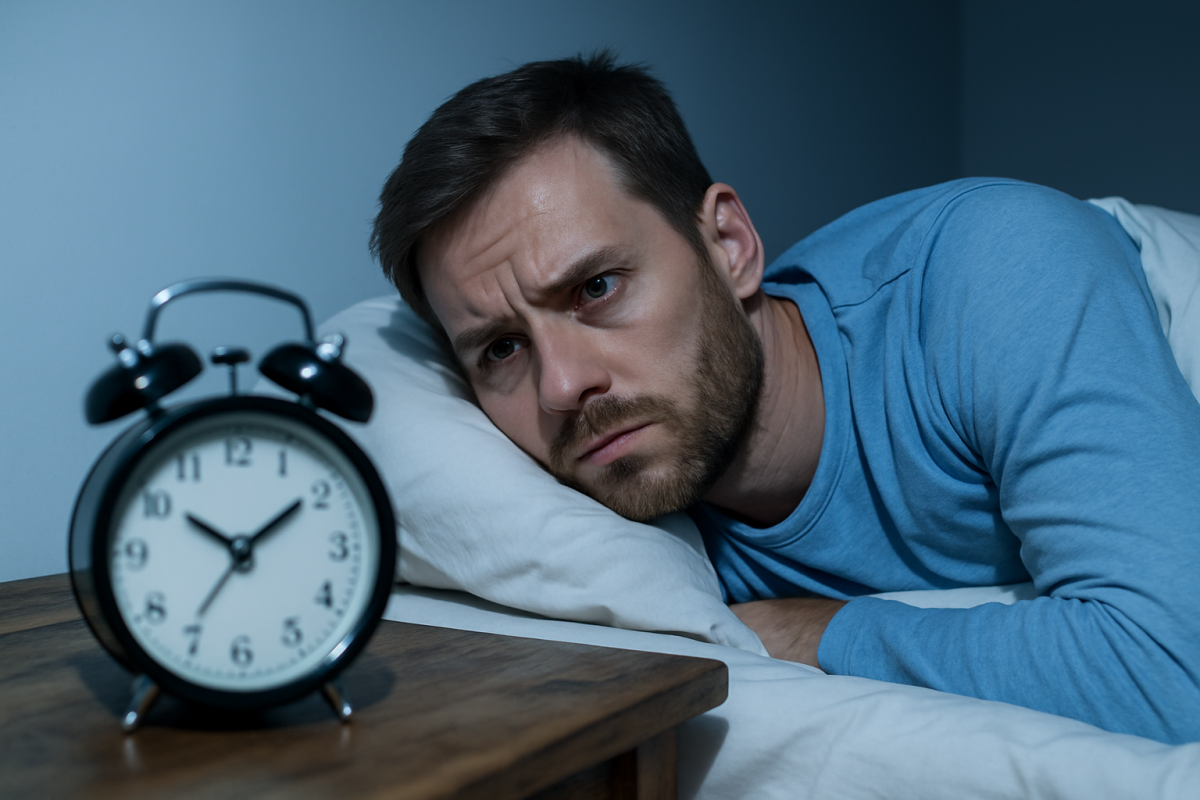
Insomnia
Insomnia: a modern view of sleep disorders
Sleep is a fundamental restoration mechanism that supports the nervous, hormonal and immune systems. When biological rhythms become disrupted, a condition known as insomnia arises — a disorder characterized by difficulty falling asleep, frequent awakenings or shallow sleep that does not bring rest. Unlike temporary fatigue after a stressful day, insomnia becomes a systemic issue that gradually worsens well-being and cognitive abilities.
Chronic insomnia occurs in individuals of any age and social status. It may be an independent disorder or accompany other conditions — from anxiety to somatic diseases. Modern approaches to the diagnosis and treatment of insomnia continue to evolve, as sleep quality is one of the key indicators of overall health.
Why insomnia occurs: key groups of causes
Insomnia never appears without reason. In most cases, its development is associated with behavioral, physiological or psychological factors. These causes can be divided into several categories.
Behavioral and lifestyle-related factors
- irregular sleep schedule and late bedtime;
- consumption of caffeine, alcohol or stimulants before sleep;
- daytime naps longer than 20–30 minutes;
- screen use or active activities before bedtime;
- heavy evening meals or stimulating drinks;
- poor sleep hygiene — noise, bright light, uncomfortable environment.
Psycho-emotional causes
- stressful events and emotional exhaustion;
- anxiety, intrusive thoughts and internal tension;
- psychological trauma or long-term emotional strain;
- depressive states or neurotic disorders.
In children and adolescents, insomnia often develops due to irregular daily routines, excessive screen time, academic stress or emotional instability at home.
Insomnia caused by medical and physiological conditions
Not all causes of insomnia can be eliminated immediately, as sleep disorders may be symptoms of underlying health issues. In such cases, comprehensive clinical evaluation is required to identify the root cause.
- Somatic factors. Pain, itching, frequent urination, hormonal changes.
- Psychiatric conditions. Neuroses, panic attacks, mental disorders, depression.
- Medication-related causes. Stimulants, hormonal drugs, alcohol-containing substances.
- Environmental factors. Noise, heat, light exposure, jet lag.
- Neurological causes. Nervous system damage or trauma.
Post-COVID insomnia is a separate category, often accompanied by night awakenings, disturbing dreams, difficulty falling asleep and early morning waking.
Sleep disorder diagnostics at the «Graal» clinic
At the «Graal» clinic, sleep disorder diagnostics are carried out comprehensively, taking into account psychological, neurological and somatic factors. Specialists assess sleep structure, symptom intensity, stress levels and potential triggers.
Diagnostic measures may include:
- psychological questionnaires assessing sleep quality;
- neurological evaluation;
- analysis of lifestyle factors and emotional state;
- assessment of medications and coexisting conditions.
This approach allows for accurate identification of the sleep disorder and development of an effective treatment plan.
Therapeutic approaches at the «Graal» clinic
Treatment of insomnia at the «Graal» clinic is based on an individual, evidence-based approach. Therapy includes both non-pharmacological and pharmacological methods, depending on the severity and causes of the disorder:
- correction of sleep hygiene and lifestyle habits;
- relaxation techniques and stress reduction strategies;
- cognitive-behavioral therapy for insomnia (CBT-I);
- medication support in severe cases;
- physiotherapy techniques to stabilize the nervous system;
- treatment of anxiety or depressive disorders when they are underlying causes.
The goal of therapy is not only to help patients fall asleep, but also to restore natural sleep cycles, normalize nervous system functioning and build healthy long-term habits.
FAQ
-
When should I see a doctor for insomnia?
If sleep problems last longer than two weeks, cause exhaustion, anxiety or impair daily functioning, it is important to consult a specialist.
-
Can insomnia be treated without medication?
In many cases, lifestyle changes, psychotherapy and trigger management are enough. Medication is used only for severe or persistent symptoms.
-
Is insomnia related to stress?
Yes. Stress is one of the most common causes of insomnia. Relaxation techniques and psychotherapy help reduce its impact on sleep.
-
Is chronic insomnia dangerous?
Long-term insomnia leads to impaired concentration, hormonal imbalance, emotional instability and increased risk of somatic diseases.
Зареєструйтесь онлайн перед приїздом.