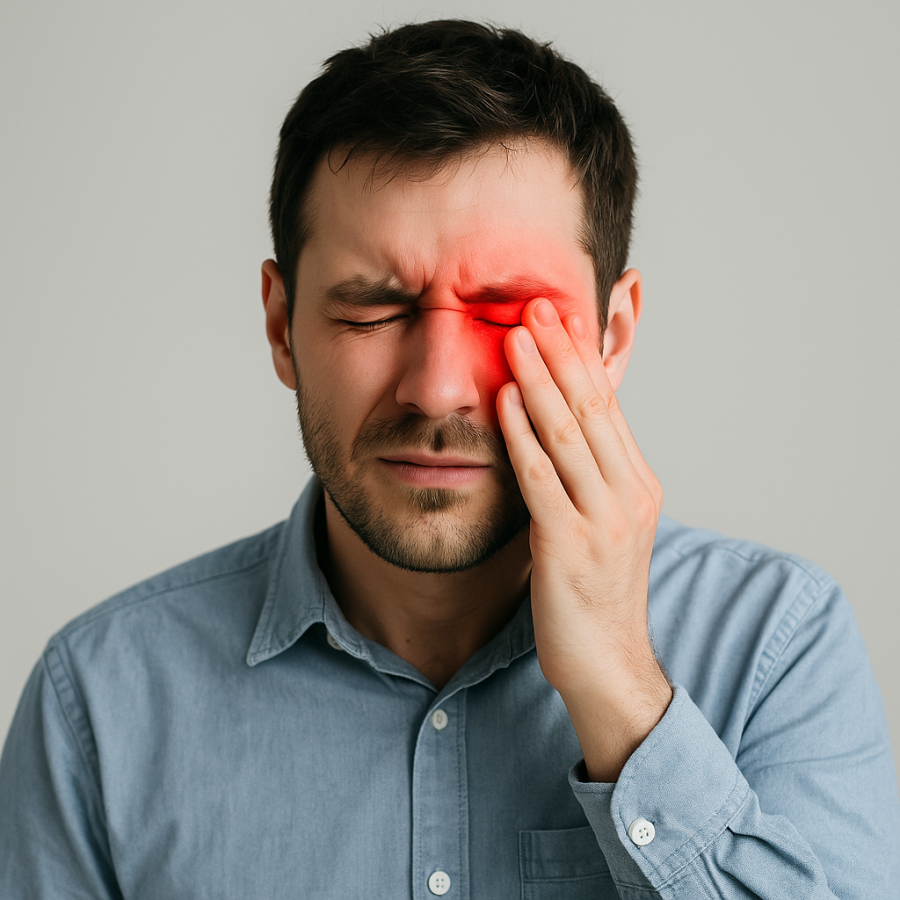
Neuritis
What Neuritis Is and Why Peripheral Nerves Become Inflamed
Neuritis is an inflammatory process affecting one or several peripheral nerves, disrupting the transmission of nerve impulses and causing pain, loss of sensation, muscle weakness, or even paralysis. The condition may develop gradually or appear suddenly after infections, injuries, or metabolic disorders. Due to the sensitivity of nerve tissue, even a mild inflammation can significantly affect a person’s quality of life.
Neuritis is divided into mononeuritis — when a single nerve is affected — and polyneuritis, in which several nerves become inflamed at the same time. In every case, it is crucial to identify the underlying cause, as it directly determines the treatment strategy.
Main Symptoms and Causes of Neuritis
The clinical presentation depends on which nerve is affected. However, most patients experience similar symptoms that should prompt timely consultation with a neurologist.
- pain along the affected nerve (sharp, burning, or pulling);
- sensation disturbances — numbness, tingling, «pins and needles»;
- muscle weakness or difficulty performing certain movements;
- facial asymmetry (in cases of facial nerve involvement);
- visual, auditory, or taste disturbances;
- loss of balance and coordination (in cochlear neuritis).
The most common triggers include viral infections (herpes viruses, shingles), bacterial diseases, diabetes, intoxications, autoimmune processes, and hypothermia.
Neuritis Diagnostics at the «Graal» Clinic
At the Graal Clinic, neuritis diagnostics is comprehensive and individualized, taking into account the possible causes, location of inflammation, and the overall condition of the nervous system. Patients undergo a clinical evaluation, neurological examination, and, when needed, instrumental diagnostics.
- Electroneuromyography to assess nerve conduction velocity.
- MRI or CT to rule out structural abnormalities.
- Laboratory tests to detect infections, inflammation, or metabolic disorders.
- Consultations with related specialists — ENT doctors, ophthalmologists, endocrinologists.
Such a multi-level approach allows for precise diagnosis and the selection of a personalized treatment plan, minimizing the risk of incomplete or incorrect conclusions.
Facial, Trigeminal, Cochlear and Optic Neuritis
Facial neuritis manifests as facial asymmetry, inability to fully close one eye, reduced sensation, and altered taste. It is often caused by viral infections or hypothermia.
Trigeminal neuritis is characterized by sudden, intense, short pain episodes lasting from seconds to minutes. Sometimes tearing, drooling, or altered sensitivity of facial areas may appear.
Cochlear neuritis leads to severe dizziness, nausea, balance disorders, and hearing loss — up to complete deafness.
Optic neuritis causes eye movement pain, reduced visual acuity, and difficulty distinguishing colors. This type of neuritis is often associated with autoimmune processes.
Patient Pathway and Neuritis Treatment at the «Graal» Clinic
At the Graal Clinic, neuritis treatment is tailored to each patient — based on the cause, affected nerve type, and severity of symptoms. Therapy includes several stages aimed at eliminating inflammation and restoring nerve function.
- Medication therapy: anti-inflammatory agents, corticosteroids, antiviral or antibacterial drugs.
- Physiotherapy: electrical stimulation, thermal procedures, magnetotherapy, microcurrent therapy.
- Neurorehabilitation: exercises to restore muscle activity, massage, correction of motor impairments.
- Dynamic follow-up and treatment adjustment according to patient progress.
The clinic’s specialists aim not only to relieve acute symptoms but also to prevent chronic progression and maintain long-term quality of life.
FAQ
-
Is neuritis fully treatable?
In most cases — yes, if diagnosed early and treated correctly. It is important not to delay medical consultation.
-
What should I do if facial asymmetry appears suddenly?
This may indicate facial neuritis. Immediate consultation with a neurologist is recommended.
-
When is MRI necessary for neuritis?
MRI is required when central nervous system involvement is suspected or the condition follows an atypical course.
-
Can neuritis be treated at home?
Self-treatment is dangerous — certain procedures may worsen the condition. Treatment must be supervised by a specialist.
-
Are neuritis cases related to infections?
Yes, viral and bacterial infections are the most common cause of peripheral nerve inflammation.
Зареєструйтесь онлайн перед приїздом.