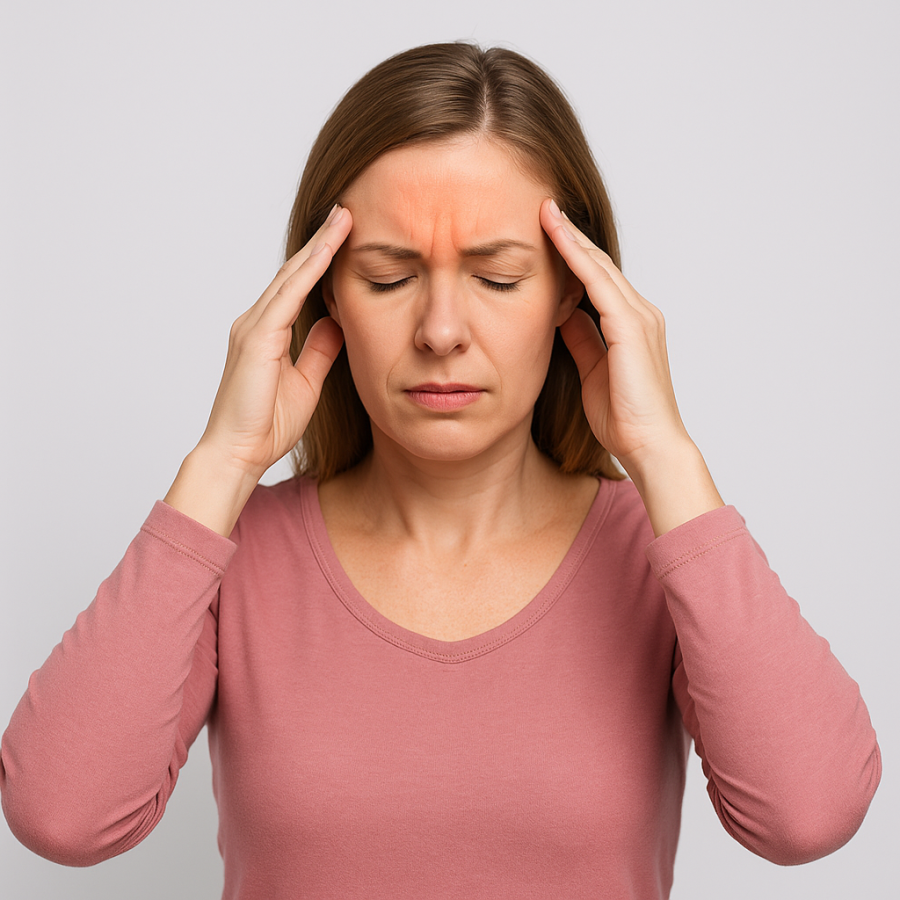
Migraine
Migraine: Symptoms, Triggers and Modern Treatment Approaches
A migraine is a chronic neurological condition characterized by recurrent episodes of intense, often pulsating headache. Unlike tension-type headaches, migraines are frequently accompanied by nausea, sensitivity to light and sound, and a significant decrease in work capacity. For many individuals, attacks become so debilitating that they affect professional life, social activity and emotional well-being.
Migraine is considered a primary headache disorder, meaning it is not a consequence of another brain or vascular disease, although it can coexist with other chronic conditions. Hereditary factors play a major role: if one parent has migraines, the risk of developing them in children significantly increases. Women suffer from migraines more often due to hormonal fluctuations, menstrual cycles, pregnancy and menopause.
A migraine attack typically develops in several stages. Initially, a person may experience mood changes, drowsiness, difficulties with concentration or, conversely, unusual alertness. The headache then gradually intensifies, usually affecting one side of the head, worsening with physical activity and possibly accompanied by visual disturbances, nausea and fatigue. After the attack, residual weakness and increased sensitivity to stimuli may persist for some time.
Key Factors That Trigger Migraine Attacks
Migraines develop due to a combination of genetic predisposition, nervous system characteristics and external triggers. Many patients are able to recognize which conditions precede their attacks and avoid them in the future. The most common triggers include:
- Hormonal fluctuations. Changes in estrogen levels during the menstrual cycle, pregnancy or perimenopause.
- Stress and emotional overload. Conflicts, fatigue, anxiety and abrupt changes in routine.
- Sleep disturbances. Insufficient sleep, night shifts, irregular sleep patterns.
- Dietary factors. Skipping meals, dehydration, excessive caffeine or alcohol, as well as certain foods (red wine, smoked meats, chocolate, aged cheeses, foods with flavor enhancers).
- Environmental irritants. Bright flashing lights, strong odors (perfume, paint, smoke), loud noises.
- Weather and climate changes. Sudden shifts in atmospheric pressure, heat, cold or abrupt weather changes.
It's important to understand that triggers vary individually. Some people react to weather changes, while others respond to stress or irregular eating patterns. Keeping a headache diary helps identify personal provoking factors and reduce attack frequency.
Common Symptoms of Migraine
Migraines differ from other types of headaches by their specific clinical presentation. Typical symptoms include:
- pulsating, intense pain, usually on one side of the head (temple, forehead or eye area);
- worsening pain during physical activity, walking or climbing stairs;
- light sensitivity and sound intolerance;
- nausea, sometimes vomiting, loss of appetite;
- fatigue, irritability, difficulty concentrating;
- in some patients — aura: flickering lights, «zigzags,» flashes, numbness of lips or fingers, temporary speech difficulties.
An attack may last from 4 hours to 2–3 days, and after it ends, a person may still feel exhausted, sleepy or mildly euphoric. If the headache suddenly intensifies, becomes «the worst ever,» or is accompanied by confusion, limb weakness or neurological symptoms, emergency medical attention is needed.
Diagnosis of Migraine and When to See a Neurologist
In most cases, the diagnosis of migraine is made based on symptoms and a detailed patient interview. The doctor evaluates the frequency and duration of attacks, associated symptoms, triggers and family history. Additional tests such as MRI or CT scans and blood tests may be recommended to rule out other causes.
Seeing a neurologist is especially important if the headache appears for the first time in adulthood, becomes more frequent, changes in nature, or is accompanied by seizures, speech disturbances, severe dizziness or fever. Early consultation helps exclude dangerous conditions and select an effective treatment plan.
Management and Prevention of Migraine
Migraine therapy includes acute treatment of attacks and prevention of future episodes. For acute relief, nonsteroidal anti-inflammatory drugs, specific antimigraine medications (triptans) and sometimes combination analgesics are used. It is crucial to take medication as early as possible — within the first hours of symptoms — combined with rest in a quiet, dark place.
Preventive treatment is considered when attacks are frequent, prolonged or significantly affect quality of life. Doctors may prescribe beta-blockers, antidepressants, anticonvulsants, magnesium or other evidence-based medications. Patients are also advised to normalize sleep patterns, manage stress, adjust diet, reduce caffeine and alcohol intake and engage in regular moderate exercise.
Keeping a migraine diary, working with a neurologist and participating in rehabilitation programs help patients better manage their condition, reduce attack frequency and return to normal life.
FAQ
-
Is migraine dangerous?
In most cases, migraine is not life-threatening, but without proper treatment it may become chronic and significantly reduce quality of life. Sudden changes in headache pattern must not be ignored, as they may require further evaluation.
-
Do regular painkillers help?
Mild attacks can sometimes be relieved with over-the-counter analgesics or NSAIDs. Severe migraines, however, often require triptans. If standard medications do not help, a neurologist should adjust the treatment plan.
-
Is migraine related to high blood pressure?
Migraine is not caused by hypertension, but blood pressure may slightly fluctuate during an attack. If hypertensive crises are suspected, a cardiology consultation is necessary.
-
Can lifestyle changes reduce attacks?
Yes. Consistent sleep, balanced nutrition, hydration, quitting smoking and alcohol, physical activity and stress management can significantly reduce attack frequency and severity.
-
Is migraine hereditary?
Genetics play a significant role. If one or both parents have migraines, the likelihood of the condition developing in children is higher.
-
When should I seek urgent medical care?
Emergency help is needed if a severe headache appears suddenly, is accompanied by limb weakness, speech problems, vision impairment, loss of consciousness or follows head trauma.
Зареєструйтесь онлайн перед приїздом.