Consequences of Encephalitis and Arachnoiditis
Complications After Encephalitis and Arachnoiditis: Why They Are Dangerous
Encephalitis and arachnoiditis are among the most severe neuroinfections that affect brain structures and its protective membranes. Even after the acute inflammation subsides, many patients continue to experience long-term neurological deficits, cognitive decline, behavioral changes, and sensory disturbances. These complications can greatly reduce independence, daily functioning, and overall quality of life.
The severity of consequences depends on the type of pathogen, the speed of disease progression, the area of damage, and how quickly medical treatment is initiated. In some cases, symptoms gradually improve, while in others they may persist for years or become irreversible. Both encephalitis and arachnoiditis can disrupt nerve signal transmission, increase intracranial pressure, and trigger chronic neurological dysfunction.
Arachnoiditis: Long-Term Effects and Clinical Manifestations
Arachnoiditis is a chronic condition involving inflammation of the arachnoid membrane and the formation of fibrotic adhesions. It develops slowly, and its consequences often remain for life. Persistent pain syndrome is one of the most common and debilitating symptoms.
Common Consequences of Arachnoiditis
- burning or pressing pain in the lower back and legs;
- numbness, tingling, or altered sensation;
- muscle weakness and episodic spasms;
- impaired coordination and reduced mobility;
- chronic fatigue and decreased reflexes.
Although arachnoiditis cannot be fully cured, targeted long-term therapy helps control pain, reduce neurological symptoms, and improve daily functioning.
Encephalitis: Typical Neurological and Psychological Consequences
Encephalitis is an inflammation of brain tissue caused by viruses, bacteria, autoimmune reactions, or toxic factors. After the acute stage, many patients experience persistent cognitive, motor, and sensory impairments. The consequences of viral, herpetic, and tick-borne encephalitis can be particularly severe.
Common Post-Encephalitis Consequences
- coordination disorders and cerebellar dysfunction;
- hearing or vision impairment;
- memory and concentration difficulties;
- emotional instability, anxiety, depression;
- seizures or chronic epilepsy;
- muscle weakness, paresis, or paralysis.
Inflammation can damage cranial nerves, the brainstem, and cortical regions. In severe cases, it may lead to coma or irreversible brain injury.
Multidisciplinary Support at the «Graal» Clinic
The «Graal» clinic offers comprehensive long-term support for patients recovering from encephalitis or arachnoiditis. Neurologists, physiotherapists, neuropsychologists, and rehabilitation specialists work together to restore cognitive, motor, and emotional functions. This integrated approach significantly improves treatment effectiveness.
Rehabilitation includes sleep regulation, cognitive training, anxiety reduction, pain-management techniques, and gradual restoration of mobility and daily skills.
Consequences of Viral Forms of Encephalitis
Viral encephalitis can cause persistent neurological deficits. Herpetic encephalitis often leads to personality changes, intellectual decline, seizures, and long-term motor impairments. Tick-borne encephalitis can affect the brainstem and spinal cord, resulting in paralysis and autonomic dysfunction.
Diagnostic Capabilities of the «Graal» Clinic
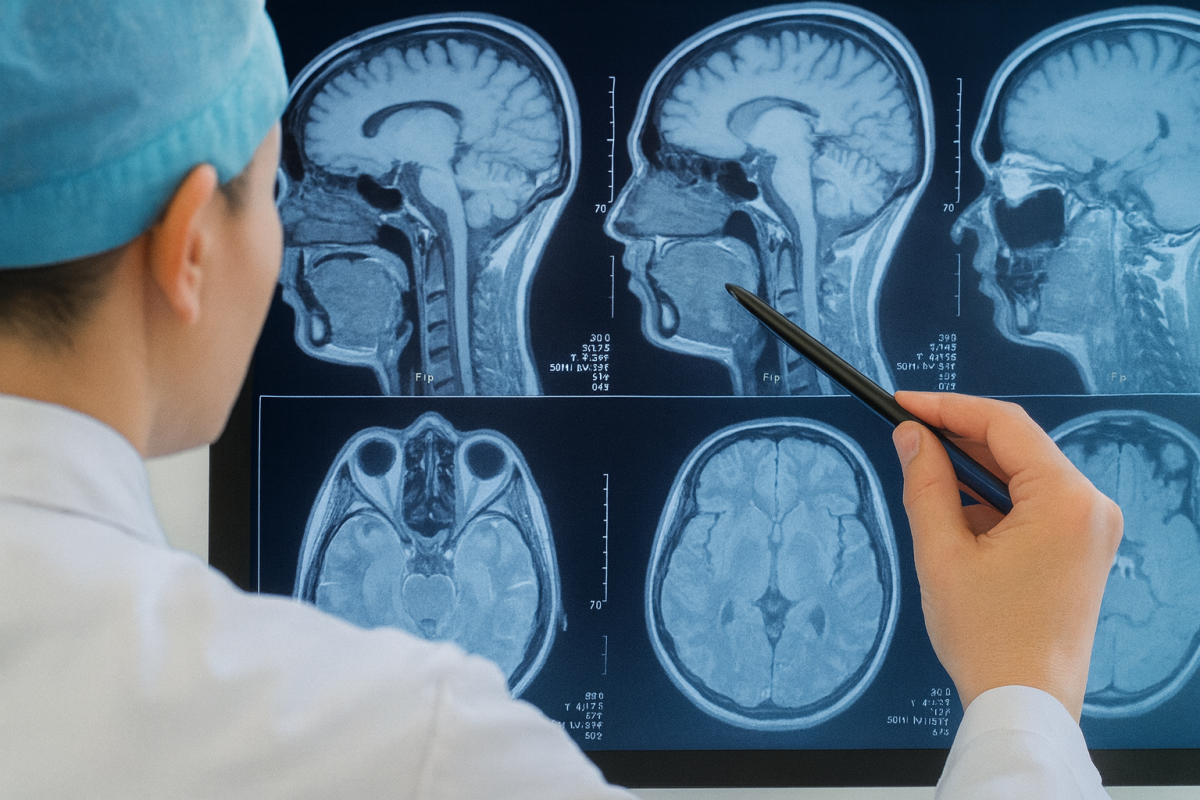
The clinic uses advanced diagnostic methods to assess the consequences of neuroinfections: MRI, EEG, cerebrospinal fluid analysis, cognitive testing, and laboratory inflammatory markers.
Regular monitoring helps adjust treatment strategies and reduce the progression of neurological symptoms.
FAQ
-
Can the consequences of encephalitis completely disappear?
In mild cases, recovery is possible. However, severe inflammation often leaves long-term or irreversible neurological symptoms.
-
How is arachnoiditis managed?
Treatment focuses on pain control, rehabilitation, anti-inflammatory therapy, and neuromodulation techniques to support mobility and reduce discomfort.
-
When should I consult a neurologist?
If you experience weakness, coordination problems, visual deterioration, seizures, memory issues, or behavioral changes after infections, you should seek medical evaluation.
Зареєструйтесь онлайн перед приїздом.