Medical Electrophoresis
Medical electrophoresis: the essence of the method and its therapeutic possibilities
Medical electrophoresis is one of the most researched and effective physiotherapeutic methods that combines the action of direct electric current and medicinal substances. Under the influence of a weak galvanic current, drug ions penetrate through the skin and mucous membranes, accumulating directly in areas of pathological changes. This method of delivery provides a pronounced local effect even with minimal doses of medication.
The method is used in adult therapy, pediatrics, and children's rehabilitation, making electrophoresis a universal tool for reducing pain, inflammation, normalizing tissue trophism, and restoring body functions. Compared to traditional forms of drug administration, electrophoresis ensures a gradual release of active substances and a longer therapeutic effect.
How electrophoresis works: mechanism of action
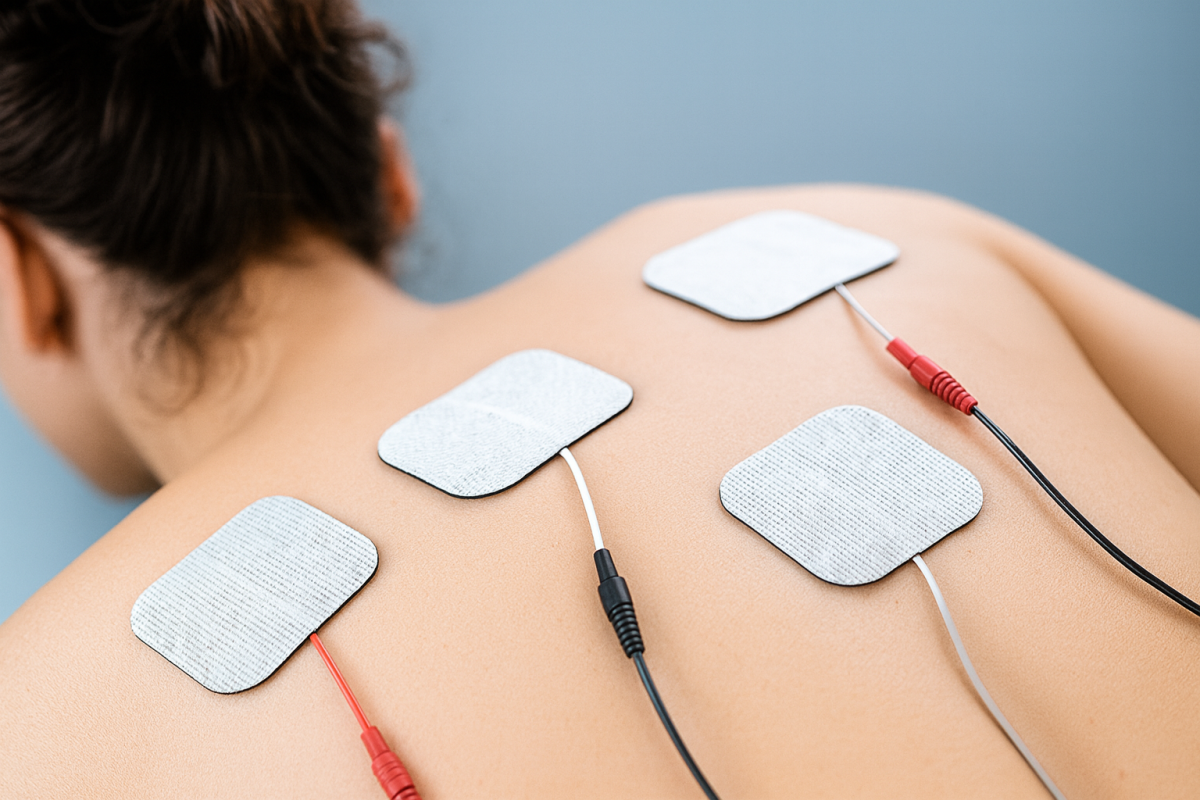
The basis of the method is the movement of ions under the influence of low voltage and current. Electrodes placed on selected areas of the body create an electric field in which active particles of the medication migrate into deeper tissue layers. In the target zone, metabolic processes are activated, microcirculation improves, muscle spasms decrease, and pain intensity is reduced.
- improvement of blood flow and lymphatic drainage;
- reduction of swelling and inflammation;
- local pain relief without systemic effects on the body;
- normalization of peripheral nervous system function;
- enhanced regenerative capacity of tissues.
The concentration of the medication remains in the tissues for a long time, allowing the therapeutic effect to persist between sessions and reducing the need for oral or injectable drug forms.
Indications for electrophoresis
The method is effective for treating acute and chronic conditions, especially when targeted action on a specific body area is required. Electrophoresis is often prescribed as part of comprehensive therapy for the following conditions:
- musculoskeletal disorders: arthritis, arthrosis, osteochondrosis, myositis, neuralgia;
- inflammatory ENT conditions;
- peripheral nervous system disorders;
- post-traumatic, burn, and postoperative states;
- chronic pain syndromes;
- gastrointestinal and genitourinary pathologies;
- dermatological conditions, including scars and postoperative sutures.
For children, electrophoresis may be recommended for muscle dysfunctions, diathesis, hypo- or hypertonus, delayed motor development, neuralgia, and rehabilitation after injuries.
Electrophoresis at «Graal»
At the «Graal» clinic, electrophoresis is performed according to modern protocols that take into account the patient's age, health condition, and clinical presentation. For each case, optimal current parameters and the appropriate medication are selected, ensuring maximum procedure effectiveness. Special attention is paid to safety and monitoring the body's response during the session.
Specialists carefully identify target zones, use only high-quality medications and disposable materials. Thanks to an individualized approach, patients receive treatment tailored to their sensitivity, accompanying conditions, and specifics of the disease. This makes electrophoresis comfortable, predictable, and clinically effective.
Safety of procedures at «Graal»
The safety of patients is one of the key principles of «Graal». During electrophoresis, specialists control the current strength, medication selection, skin condition, and overall well-being of the patient. Different protocols are used for children and adults, corresponding to their age and physiological characteristics.
Before the procedure, an examination is performed to assess contraindications, skin sensitivity, and possible individual reactions. During the session, the specialist stays nearby and monitors every change in condition, allowing quick adjustment of treatment parameters.
All materials that contact the skin are disposable or thoroughly sterilized. The clinic uses modern equipment that ensures precise current dosage and stable therapeutic effects.
Contraindications and limitations
Although electrophoresis is a safe method, it has certain contraindications. It is not performed in cases of oncological processes, acute infections, fever, severe heart failure, hemophilia, or significant skin damage in electrode application areas. Before starting the course, a clinic specialist assesses potential risks and adjusts the treatment program.
FAQ
-
Is the electrophoresis procedure painful?
Patients typically feel mild tingling or warmth. The procedure is considered comfortable and safe even for children.
-
How long does one session last?
A session usually lasts from 10 to 20 minutes, depending on the doctor’s recommendations.
-
How many procedures are needed to see results?
A noticeable effect is usually achieved after 5–7 sessions, and a full course consists of 7–15 procedures.
-
Can electrophoresis be combined with other rehabilitation methods?
Yes, the method works well in combination with massage, therapeutic exercises, and kinesitherapy, enhancing the overall therapeutic effect.
-
Is electrophoresis suitable for infants?
Yes, when prescribed by a specialist and performed according to all standards, the procedure is safe even for infants.
Зареєструйтесь онлайн перед приїздом.