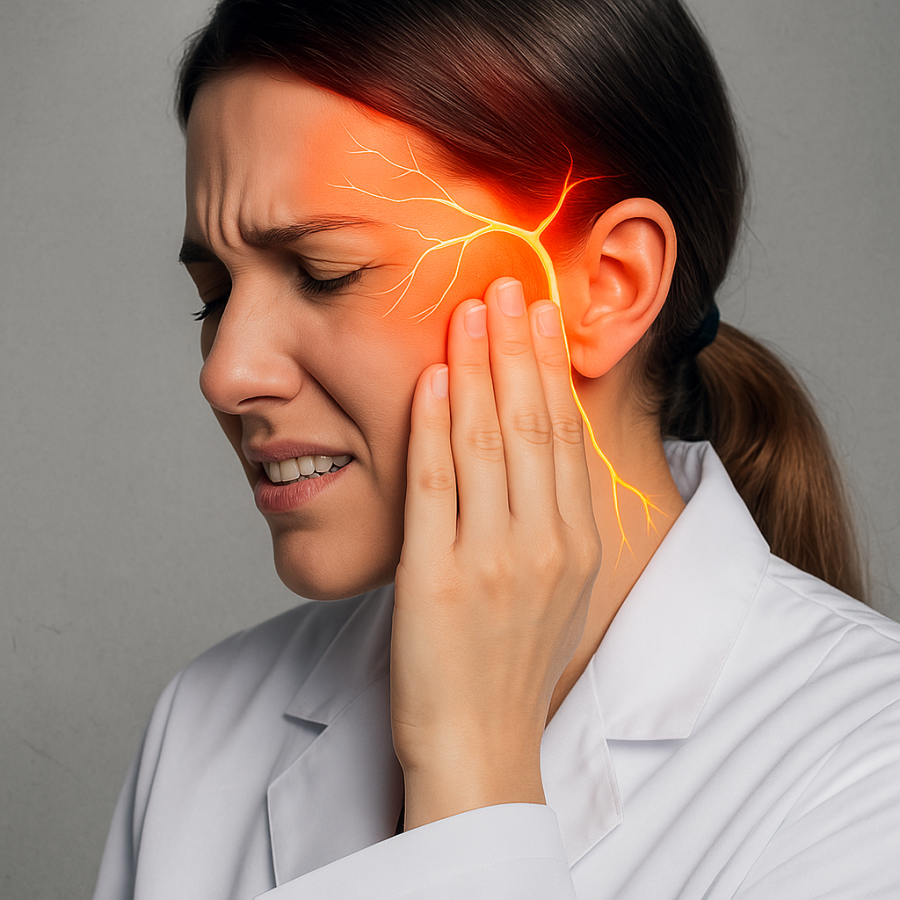
Neuralgia
Neuralgia: Modern Understanding of Causes, Symptoms and Treatment
Neuralgia is a pain syndrome that occurs due to damage or irritation of a peripheral nerve or its root. The pain does not originate in the organ itself but follows the nerve pathway, which is why the sensations may be sharp, shooting, burning or radiating to different body areas. Neuralgic conditions may appear as isolated episodes or take on a chronic course, significantly reducing quality of life.
At Graal Clinic, particular attention is paid to differential diagnosis, since neuralgia often mimics muscle pain, internal organ diseases or complications of the musculoskeletal system. Early identification of the underlying cause helps to stop the progression of the syndrome and select effective therapy.
Why Neuralgia Develops: Key Mechanisms and Risk Factors
Nerve damage may result from local processes along its course or from systemic disorders in the body. The most common pathophysiological mechanisms include compression, inflammation, toxic effects and demyelinating processes. In clinical practice, the following main groups of causes are distinguished:
- Mechanical factors. Trauma, past surgery, vertebral displacement, protrusions, herniated discs, muscle spasms.
- Inflammatory and infectious processes. Hypothermia, herpes zoster, bacterial infections, neuritis of peripheral nerves.
- Metabolic disorders. Vitamin B deficiency, diabetes mellitus, hypothyroidism, intoxication with toxins (lead, carbon monoxide).
- Systemic diseases. Rheumatoid arthritis, neurodegenerative disorders, scoliosis, osteochondrosis.
- Chronic stress and overexertion. Emotional overload can intensify pain and provoke muscle tension.
In many patients, several factors are present at the same time, which requires a comprehensive diagnostic approach — exactly this approach is used at Graal Clinic.
Main Types of Neuralgia and Their Symptoms
Neuralgia presents differently depending on which nerve is affected. At Graal Clinic, the most common forms include:
Intercostal Neuralgia
Pain is localized between the ribs and may worsen with movement, turning the torso, coughing or deep breathing. It is often mistaken for cardiac pain.
Trigeminal Neuralgia
Considered one of the most severe forms of pain. Characterized by sudden, stabbing or shooting pain in the area of the jaw, eye, ear or teeth. Attacks last from a few seconds to several minutes and may recur many times.
Occipital Neuralgia
Pain begins in the back of the head and can radiate to the temples or eye region. Frequently accompanied by light sensitivity, tinnitus and reduced performance.
Pelvic Neuralgia
More common in women. Pain may affect the lower abdomen, perineum, lower back and sometimes radiate to the legs. Often associated with sleep disturbances and anxiety.
Sciatica (Sciatic Nerve Neuralgia)
Manifests as pain spreading from the lower back down to the foot, along with numbness, weakness or «electric shock» sensations. Common causes include herniated discs, degenerative spinal changes or piriformis muscle spasm.
Postherpetic Neuralgia
Occurs after shingles (herpes zoster). Characterized by persistent burning, stabbing or throbbing pain that can last for months or even years after the skin rash has resolved.
Diagnostics of Neuralgia at Graal Clinic
Because neuralgic pain can mimic other diseases, diagnosis requires a comprehensive assessment of the patient’s condition. The following methods are commonly used:
- neurological examination;
- assessment of reflexes and sensory function;
- ultrasound and MRI to detect nerve compression;
- electroneuromyography (ENMG);
- laboratory tests to evaluate vitamin and hormone levels;
- posture and spinal assessment.
This approach makes it possible to identify the true cause of pain and develop an individualized treatment plan.
Treatment of Neuralgia: Comprehensive Approach at Graal Clinic
Treatment strategy depends on the type of neuralgia and the underlying cause. Graal Clinic uses modern evidence-based methods, including:
- Medication therapy. Analgesics, NSAIDs, anticonvulsants, antidepressants, B vitamins, and in severe cases short-term opioid therapy.
- Physiotherapy. Magnetotherapy, electrotherapy, laser therapy, heat treatments.
- Manual therapy and massage. Help relieve muscle spasm, restore mobility and improve blood flow.
- Physiotherapy exercises and rehabilitation programs. Restore muscle balance and reduce the risk of recurrent nerve compression.
- Acupuncture. Useful in chronic pain syndromes.
Significant attention is also paid to lifestyle modification: healthy nutrition, weight control, adequate sleep and stress reduction.
FAQ
-
Can neuralgia resolve on its own?
In some cases, pain may subside spontaneously. However, frequent or intense episodes require a neurologist’s evaluation to prevent progression.
-
Do B vitamins really help?
Yes, they support nerve regeneration and may reduce pain. They are often prescribed as part of a comprehensive treatment plan.
-
When should I see a doctor urgently?
If pain is accompanied by numbness, weakness, gait disturbances, dizziness or a sharp deterioration in general condition, you should seek medical help immediately.
-
Are painkillers always necessary?
Not always. In many cases, physiotherapy, massage, therapeutic exercise and elimination of the underlying cause of nerve irritation can provide lasting relief.
Зареєструйтесь онлайн перед приїздом.