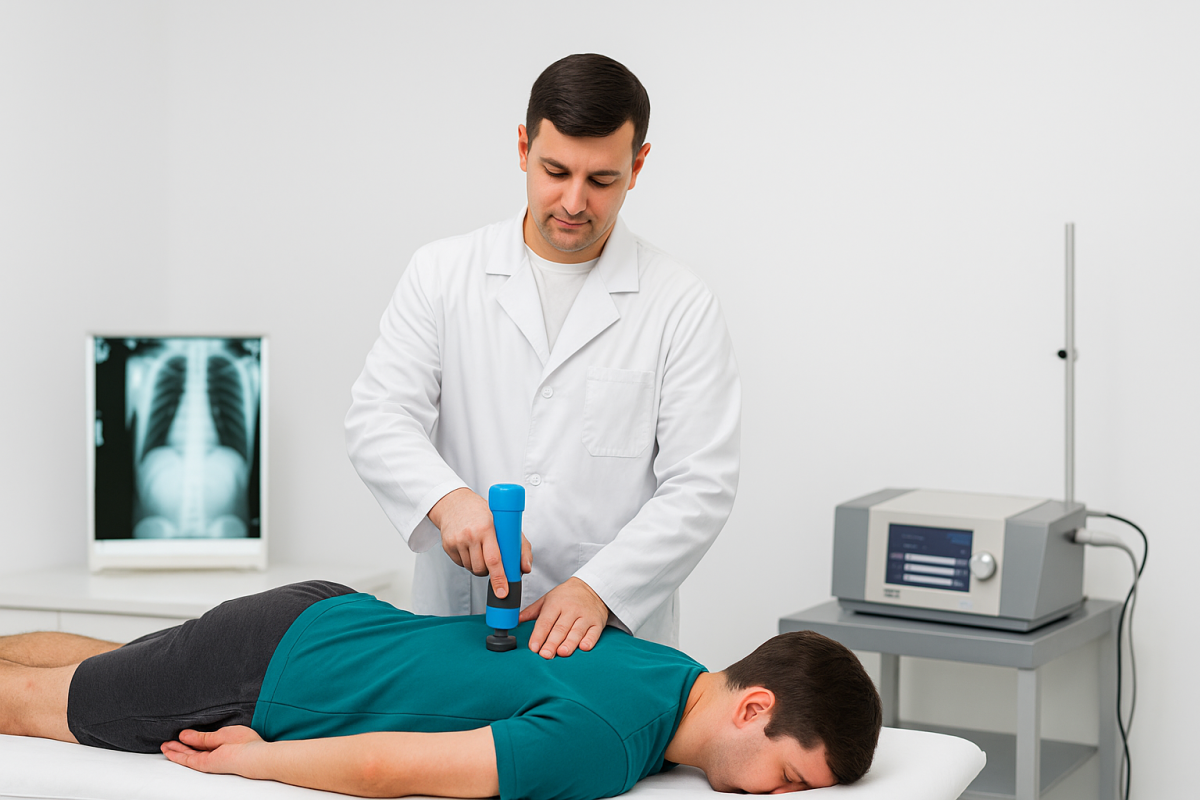
Rehabilitation after surgical treatment of various conditions
Rehabilitation after Surgical Treatment of Various Conditions
After surgery, the body goes through a complex recovery period in which properly selected physical activity, breathing exercises, nutrition, and psychological support play an essential role. Any surgical intervention disrupts the integrity of tissues — skin, muscles, ligaments, or internal organs. Therefore, rehabilitation aims to accelerate healing, reduce pain, restore function, and prevent complications. At the «Graal» clinic, we apply a comprehensive approach, working with patients of different profiles and levels of postoperative complexity.
Recovery after Surgery on Thoracic Organs
After lung resection, tumor removal, or other thoracic procedures, the patient requires careful monitoring and early activation. The first exercises begin in the hospital and include breathing techniques that improve lung ventilation, reduce the risk of congestion, and help ease pain associated with surgical access. Gradually, movement activity increases — standing up, short walks, and later endurance training. Proper rehabilitation helps prevent pneumonia, contractures, and discomfort in the chest.
Recovery after Abdominal Surgery
After procedures involving the intestines or abdominal organs, it is important to help the patient return to gentle movement quickly to avoid intestinal motility disorders and thrombosis. On the first day, it is recommended to sit up, walk around the room, and perform simple breathing exercises. Activating deep abdominal muscles helps to strengthen the abdominal wall, reduce tension, and support proper posture.
Main recommendations:
- breathing exercises («inhale through the nose — exhale through the mouth») to improve diaphragm work;
- gentle lower abdominal exercises without sudden movements;
- small pelvic lifts in a lying position;
- gradual increase in activity depending on the surgical wound condition.
Diet after abdominal surgery: easily digestible, finely chopped meals with minimal coarse fiber and gas-forming products. Proteins, microelements, and sufficient hydration are essential. If necessary, the doctor may prescribe medical nutrition or special nutritional supplements.
Rehabilitation after Spine Surgery
Spinal surgery requires an individualized recovery plan based on the level of damage and the type of procedure. Rehabilitation begins with gentle massage and physiotherapy (magnetotherapy, laser, ultrasound), which relieve pain and tension. If recommended, orthopedic supports such as a brace or cervical collar are used.
To enhance the effect, the following are applied:
- mud and mineral treatments to reduce inflammation;
- underwater massage and hydrotherapy to improve mobility;
- a set of therapeutic exercises to stabilize the back muscles;
- work with the postoperative scar to prevent fibrosis.
The main goal is to restore spinal stability, reduce pain, and return all motor functions without the risk of re-injury.
Recovery after Joint Surgery
Joint surgeries — arthroscopy, joint replacement, ligament reconstruction, or meniscus repair — require a structured rehabilitation program. The primary goal is to restore joint stability, regain full range of motion, and prevent muscle weakness. At the «Graal» clinic, rehabilitation begins from the first days after surgery with muscle activation exercises, lymphatic drainage techniques to reduce swelling, and physiotherapy to accelerate healing and normalize mobility.
During recovery, the patient gradually progresses from passive and light active movements to strength, balance, and coordination training. Special attention is given to gait correction, stabilization of the knee, shoulder, or hip joint, and prevention of recurrent injuries. Systematic rehabilitation allows the patient to return to daily activities and move without pain.
Recovery after Eye Surgery (Cataract, Glaucoma)
Eye surgeries require a particularly delicate recovery period, as even minor strain can affect vision. After cataract removal, glaucoma surgery, or other ophthalmic procedures, it is crucial to minimize stress, normalize intraocular pressure, and ensure optimal healing conditions.
At the «Graal» clinic, rehabilitation focuses on restoring natural eye muscle function, improving blood flow to the visual system, and reducing eye fatigue. Patients receive individual recommendations regarding screen usage, visual load management, and prevention of eye dryness.
The rehabilitation program includes:
- special exercises to improve accommodation and eye muscle mobility;
- light therapy and treatments to reduce visual fatigue;
- neck and collar zone massage to improve blood circulation to the optic nerve;
- physiotherapy (laser therapy, magnetotherapy) when prescribed by an ophthalmologist;
- education on visual hygiene and proper reading and device-use habits.
A comprehensive approach reduces postoperative risks, alleviates eye fatigue, and speeds up the return to clear and comfortable vision.
Why Patients Choose the «Graal» Clinic
Recovery after surgery is significantly faster due to a multidisciplinary approach. All sessions are supervised by experienced physiotherapists, rehabilitation specialists, and medical experts. The clinic is equipped with modern devices for physiotherapy, hydrotherapy, and strength and endurance training.
Our goal is a safe return to an active life, pain reduction, functional recovery, and the formation of correct movement patterns to prevent future problems.
Зареєструйтесь онлайн перед приїздом.