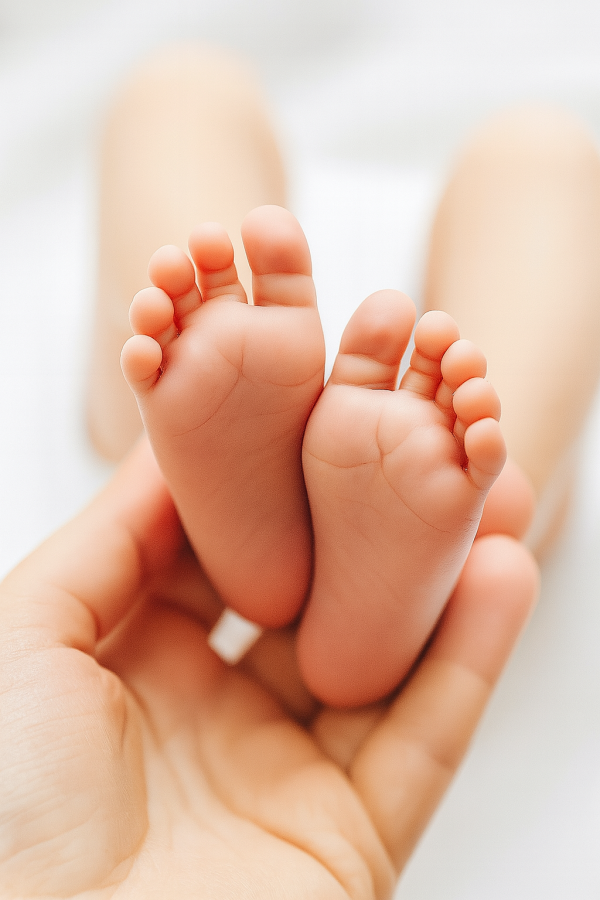
Massage for Premature Infants
Massage in Premature Infants: Developmental Features and Correction
Premature infants require increased attention due to the immaturity of the nervous system, musculoskeletal apparatus, respiratory organs, and thermoregulation. Massage in the first months of life plays a key role in the formation of motor skills, stabilization of breathing, and normalization of muscle tone. Unlike full-term infants, premature babies» reactions are more vulnerable, so every manipulation must be performed cautiously, gradually, and in accordance with the recommendations of specialized professionals.
After being born prematurely, children often have difficulties with movement coordination, delayed motor functions, episodic manifestations of muscle weakness, or, conversely, excessive hypertonia. Massage helps adapt the body to the external environment, stimulates the peripheral nervous system, and improves blood supply to tissues, which is especially important in the first months of life.
Key Developmental Problems in Premature Infants
The early stages of a premature infant's life are characterized by increased risks. The child may have underdeveloped respiratory system, weak muscle structure, difficulties maintaining heat, and reactions to external stimuli. Therefore, massage and gymnastics are performed in a mode of gradual increase of load. The permissible volume of movements depends on age, weight, clinical picture, and neonatologist's recommendations.
- impaired thermoregulation;
- reduced muscle activity or hypertonia;
- delayed formation of motor reflexes;
- impaired coordination and balance;
- low weight and slowed body mass gain;
- slower psychomotor development.
The Role of Massage in Stabilizing the Condition of Premature Infants
Massage techniques contribute to the alignment of muscle imbalance, optimization of blood circulation, stimulation of the correct breathing pattern, and development of sensory sensitivity. Gentle kneading and stroking allow the child to adapt to touch, which in the future forms healthy nervous system reactions. Sessions are conducted in a warm, calm environment with a minimal amount of stimuli.
Massage and Gymnastics: Key Stages and Age Guidelines
Physiotherapy procedures for premature infants are performed gradually — from gentle techniques in the first weeks to more active motor exercises in the second half of the first year of life. For children with insufficient body weight or severe perinatal conditions, the load is introduced even more cautiously.
- 1.5–2 months — adaptive massage for tone stabilization;
- 3–4 months — assistance with rolling over, stimulation of motor activity;
- 5–6 months — development of crawling and grasping skills;
- 7–8 months — balance training, careful sitting and standing;
- 9–12 months — support for first independent steps and strengthening of back muscles.
Stages of Motor Development in Premature Infants and the Significance of Massage
Premature infants develop motor skills gradually, so each load is introduced only after muscle preparation and a short massage warm-up. At the initial stage, soft touches, passive movements, and sensory stimulation are used, which helps the child feel their own body and develop natural reflexes.
Closer to 3–4 months, the focus shifts to supporting active rolling over and forming symmetrical movements. At the age of 5–6 months, it is important to develop crawling and grasping skills, which strengthen the muscles of the back, abdomen, and shoulder girdle. From 7–8 months, balance exercises are added — sitting, standing with support, body position control.
By a year, the child gradually transitions to the first steps, and massage helps adapt the musculoskeletal system to vertical load, stabilizes tone, and forms healthy motor patterns.
Indications for Massage in Premature Infants
Massage is prescribed for a number of features that often accompany prematurity. Techniques are aimed at strengthening muscles, stimulating the development of the musculoskeletal system, and correcting reduced or increased tone.
Indications include: delayed motor development, muscle tone disorders, impaired movement coordination, slowed reactions, limb weakness, uneven weight gain, adaptation difficulties after discharge from the neonatal hospital.
Contraindications to Massage
Massage is not performed in acute conditions, infections, heart failure, fever, exacerbation phase of bronchopulmonary diseases, as well as blood pathologies and severe forms of rickets. Each case is evaluated individually, and the decision is made by a pediatrician or neonatologist.
Early Massage for Premature Infants: The Graal Clinic Approach
At «Graal», massage for premature infants is conducted taking into account the individual needs of the small patient, the features of their nervous system, reflex reactions, and the level of physiological maturity. Specialists use only soft, adaptive techniques that do not overload the child but provide a noticeable therapeutic effect.
The medical team pays special attention to safety: a comfortable environment is created, body temperature, breathing rhythm, and reactions to stimulation are controlled. This allows not only for supporting physical development but also for forming healthy sensory and emotional connections.
Correction of Muscle Tone in Premature Infants at «Graal»
Tone disorder is one of the most common phenomena in prematurity. At «Graal», specialized correction protocols are applied, including gentle muscle relaxation techniques, stimulating exercises, finger gymnastics, and coordination development exercises.
The correctional program is formed individually after consultation with a neurologist and pediatric physical therapist. Its goal is to help the child stabilize movements, form healthy motor patterns, and prevent further orthopedic or neurological complications.
FAQ (Frequently Asked Questions)
-
From what age can a premature baby receive a massage?
Usually from 1.5–2 months, but the exact time is determined by a neonatologist or pediatrician.
-
Can massage be done at home?
Yes, but only after training by a specialist and in the absence of contraindications.
-
Does massage help with hypertonia?
Yes, soft relaxing techniques contribute to the alignment of muscle balance.
Зареєструйтесь онлайн перед приїздом.