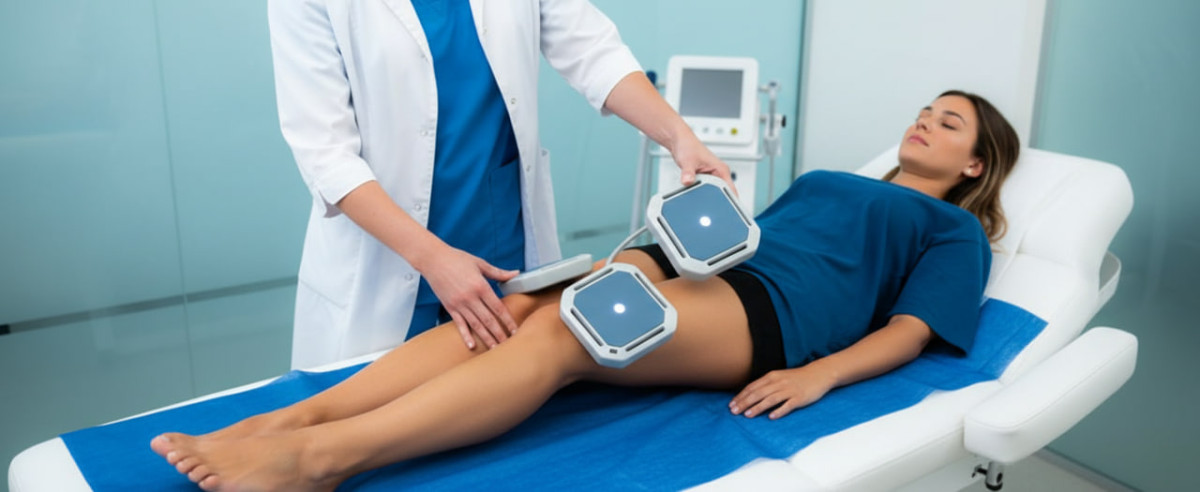
Diadynamotherapy (ON, DN, OR, KP, DP, OV, DV)
Diadynamotherapy: targeted pain relief using Bernard currents
Diadynamotherapy is a physiotherapy method in which diadynamic currents (Bernard currents) with a frequency mainly of 50 and 100 Hz act on a specific area of the body. Such electrical stimulation modulates the conduction of nerve impulses, reduces the intensity of pain, improves blood circulation and accelerates recovery processes in tissues.
The essence of the method is that impulses of continuously rectified sinusoidal current act on nerve fibers of different calibers. Mostly thick and medium fibers are stimulated, which «block» the incoming signals from thin pain fibers, due to which the pain sensation is weakened or completely disappears.
In practice, various types of diadynamic currents are used (ON, DN, OR, KP, DP, OV, DV), which differ in shape, frequency and mode of delivery. Thanks to this, it is possible either to reduce pain and spasm or, on the contrary, to gently increase muscle tone in the area of influence.
Diadynamotherapy at the «Graal» clinic
At the «Graal» clinic, diadynamotherapy is included in individual treatment programs for pain of the musculoskeletal system and neurological disorders. Before prescribing the procedure, the doctor assesses the nature of the pain, the neurological status, data from imaging methods (if available) and existing comorbidities.
For each patient, the optimal mode of Bernard currents, the area of electrode application and the duration of the course are selected. Diadynamotherapy can be combined with therapeutic exercise, manual methods, other types of electrotherapy and drug treatment, which enhances the overall effect and shortens the rehabilitation period.
Mechanism of action of diadynamic currents on the nervous and muscular system
During the diadynamotherapy procedure, electrical impulses create a variable electric field in the tissues. This field affects the membranes of nerve cells, changes their excitability threshold and inhibits the conduction of pain impulses to the brain. At the same time, microcirculation improves, swelling decreases, and metabolism in the affected area is normalized.
Depending on the selected current mode, diadynamotherapy can have a predominantly analgesic, vasodilating or toning effect on muscles. This makes it possible to use the method both in acute pain and in chronic degenerative processes or conditions with reduced muscle tone.
Main therapeutic effects of diadynamotherapy
- reduction of the intensity of acute and chronic pain;
- improvement of blood supply and venous outflow in the area of influence;
- reduction of post-traumatic and postoperative swelling;
- normalization of skeletal muscle tone (reduction of spasm or gentle stimulation of weak muscles);
- acceleration of the removal of products of inflammation and metabolism;
- support of regeneration of nerve structures and soft tissues.
During the session, the patient usually feels slight tingling, vibration or «wave-like» impulses at the site of electrode application. These sensations should not be painful and are controlled by a specialist throughout the entire procedure.
When it is advisable to prescribe diadynamotherapy
Diadynamic currents are used as part of complex treatment when it is necessary to locally reduce pain, improve tissue trophism and support the restoration of the function of joints and the nervous system. The method is used both in the rehabilitation period after injuries and in chronic painful conditions.
Common clinical indications
- radiculitis, lumbalgia, radicular pain syndromes;
- neuralgias (including trigeminal neuralgia) and neuritis;
- facial nerve paralysis at the recovery stage;
- osteoarthritis of joints and degenerative changes of the spine;
- discopathies and pain syndromes associated with them;
- joint stiffness, contractures, muscle spasms;
- post-traumatic conditions (bruises, sprains, consequences of fractures);
- conditions with reduced muscle tone;
- trophic disorders, local microcirculation disorders;
- Raynaud’s disease, frostbite (in the rehabilitation phase).
The decision to include diadynamotherapy in the treatment plan is made by the doctor after examination and analysis of comorbidities in order to avoid undesirable reactions.
Individual treatment planning at the «Graal» clinic
Specialists of the «Graal» clinic take into account the duration of pain, the intensity of symptoms, the patient’s professional activity and previous treatment experience. Based on these data, a course of diadynamotherapy is formed: the number of sessions, the frequency of visits, the combination with other rehabilitation methods.
This approach makes it possible not only to reduce local pain but also to influence the causes of disorders — muscle imbalance, chronic overstrain, disturbances of movement patterns.
Safety, contraindications and preparation for the procedure
Despite its high effectiveness, diadynamotherapy requires compliance with certain restrictions. It is important that before the start of the course the patient informs the doctor about all cardiovascular, oncological, endocrine and other chronic diseases, as well as about the presence of implants.
Main contraindications to diadynamotherapy
- tuberculosis in the active phase and systemic infectious processes;
- any benign and malignant tumors;
- pronounced skin lesions, wounds, rashes in the area of electrode application;
- tendency to thrombosis, thrombophlebitis, risk of venous embolism;
- spastic paralysis and gross sensitivity disorders in the area of influence;
- acute inflammatory processes in the abdominal cavity;
- high body temperature, general intoxication;
- pregnancy;
- metabolic disorders with an unstable course;
- presence of a pacemaker, implanted electronic devices or metal constructions in the area of influence.
How to prepare for diadynamotherapy
- the skin in the area of electrode application must be washed and thoroughly dried;
- creams, ointments or gels should not be applied on the day of the procedure;
- all metal jewelry is removed in advance;
- clothing should be comfortable, with the possibility of opening the required area of the body;
- during the session it is not allowed to touch the electrodes yourself or change their position.
If prolonged redness, itching or rash appears after the procedure, the doctor should be informed — an individual reaction to the electrode material or current parameters is possible.
FAQ (Frequently Asked Questions)
-
Is diadynamotherapy painful?
The procedure should not be painful. Normal sensations are slight tingling, vibration or «streams». If the discomfort increases, this should be immediately reported to the specialist.
-
How long does one session last?
The average duration of a session is 10–20 minutes, depending on the area of influence and the selected current mode.
-
How many procedures are needed for a noticeable effect?
Usually the course includes 7–12 sessions. Many patients feel pain reduction already after the first few procedures, but a stable result is formed at the end of the course.
-
Can diadynamotherapy be combined with other treatment methods?
Yes, diadynamotherapy is often combined with therapeutic exercise, massage, drug therapy and other types of physiotherapy. The combination scheme is determined by the doctor.
-
Do the procedures leave marks on the skin?
After removing the electrodes, slight redness is possible, which quickly passes. Persistent rashes or irritation are atypical and require additional consultation.
Зареєструйтесь онлайн перед приїздом.