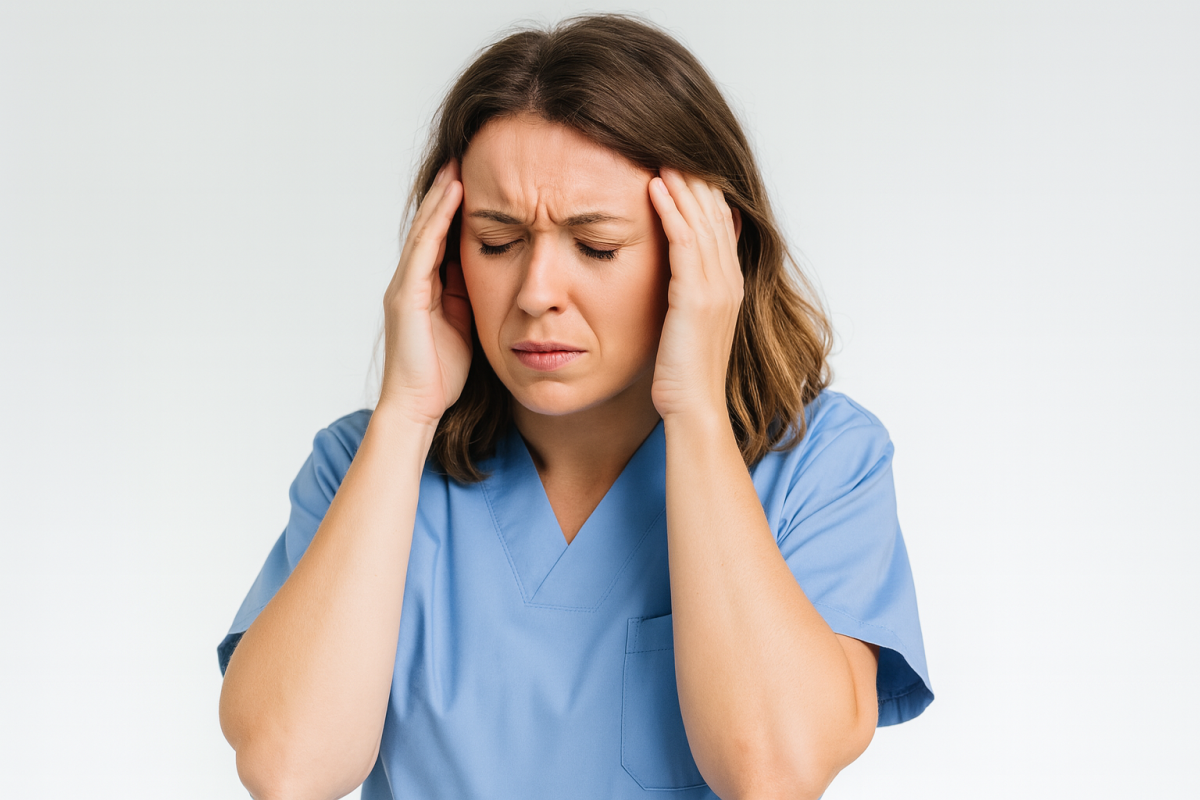
Vegetovascular Disorders
Vegetovascular Disorders: mechanisms and impact on well-being
Vegetovascular disorders are a group of conditions related to an imbalance in the autonomic nervous system, which regulates the work of internal organs, heart rhythm, thermoregulation, blood pressure, and emotional responses. When this system becomes unstable or overly reactive, the body responds with numerous physical symptoms that often mimic serious diseases.
Despite pronounced physical manifestations, the primary cause of VSD is often emotional overload, chronic stress, sleep disturbances, exhaustion, past infections, or hormonal fluctuations. A person does not always understand the link between the nervous system and bodily sensations, which leads them to search for a physical illness. This creates a closed cycle where anxiety only intensifies the symptoms.
Vegetovascular disorders are not life-threatening, but they greatly reduce quality of life: they interfere with work, concentration, proper rest, and emotional stability. Timely diagnosis and the right therapeutic approach allow the patient to regain control over their condition and relieve excessive nervous tension.
Somatic symptoms of autonomic dysfunction
Physical symptoms of VSD are extremely diverse. They may resemble cardiac conditions, gastrointestinal disorders, vascular problems, or respiratory diseases. Because of this, patients often consult many specialists, but tests do not reveal any organic abnormalities.
- weakness and episodic dizziness;
- tachycardia and sudden pulse fluctuations;
- shortness of breath and shallow breathing;
- chest tightness;
- tremor, tingling or numbness in fingers;
- excessive sweating, cold hands;
- nausea, digestive discomfort, diarrhea;
- frequent urination;
- dry mouth, hot or cold flashes;
- constant yawning or inability to take a deep breath;
- fear of fainting or losing control.
Emotional symptoms are just as common: anxiety, inner tension, irritability, difficulty relaxing, intrusive thoughts, and concentration problems. Fear about one’s health strengthens the physical reactions and drives the patient to repeat examinations that again show no pathology.
Comprehensive approach at the «Graal» clinic
At the «Graal» clinic, patients with vegetovascular disorders undergo a thorough evaluation that includes consultation with a neurologist, psychotherapist, and functional diagnostics specialist. This multidisciplinary approach helps identify the main factors sustaining the autonomic imbalance.
Doctors analyse stress history, sleep quality, physical activity level, daily triggers, as well as hormonal or metabolic influences. Based on this, a personalised treatment plan is created, combining psychological support, lifestyle correction, and methods aimed at stabilising autonomic reactions.
Thermoregulation disorders: what is «thermoneurosis»
One of the common manifestations of VSD is an elevated temperature at subfebrile levels (about 37–37.3 °C) or even up to 38 °C without signs of infection. This condition is called thermoneurosis and is caused by exhaustion of the nervous system, which begins to regulate heat exchange incorrectly.
Prolonged stress, emotional strain, anxiety and sleep disruption can cause autonomic dysregulation. The temperature rises, but laboratory results remain normal. Although the symptom may persist for months, it responds well to proper treatment.
It is important to distinguish thermoneurosis from infectious processes, therefore initial medical examination is essential. When organic pathology is ruled out, therapy focuses on restoring the nervous system.
Treatment methods for vegetovascular disorders
The goal of treatment is not simply to reduce symptoms but to restore proper functioning of the autonomic nervous system. Psychotherapy plays a central role: it reduces anxiety, stabilizes emotional responses, and helps the body regain healthy stress regulation.
- cognitive-behavioural therapy to manage anxiety responses;
- relaxation techniques: breathing exercises, meditation, yoga;
- regular physical activity (walking, mild workouts);
- sleep normalisation and rest schedule correction;
- diet and hydration optimisation;
- medication support when necessary (anxiolytics, modern antidepressants, circulation-improving medicines).
Medication is used only in cases where symptoms severely impair daily functioning. It helps stabilise the patient during acute phases but is not a substitute for psychotherapy or lifestyle changes.
Support and care at the «Graal» clinic
The specialists at the «Graal» clinic provide ongoing support at every stage of therapy: from the first consultation to full stabilisation. Patients benefit from modern diagnostic methods, psychological support, and recovery programs that effectively target autonomic dysfunction.
Therapy is supplemented with lifestyle recommendations, stress-management tools, and techniques that help restore emotional and physical balance. This holistic approach allows patients to return to a stable and comfortable state of well-being.
FAQ
-
Are vegetovascular disorders dangerous?
No, they are not life-threatening, but they significantly affect quality of life and require proper correction of the nervous system.
-
Why do diagnostic tests show normal results?
Because VSD has a psychophysiological nature — physical symptoms appear without organic pathology, due to autonomic imbalance.
-
Can VSD be fully cured?
Yes, with a comprehensive approach including psychotherapy, lifestyle changes, sleep restoration, and stress reduction.
-
Do sedatives help?
They may reduce symptoms temporarily but do not address the root cause. Medication is prescribed only when necessary.
-
What should I do if symptoms worsen?
Consult specialists to identify triggering factors and adjust the treatment plan accordingly.
Зареєструйтесь онлайн перед приїздом.