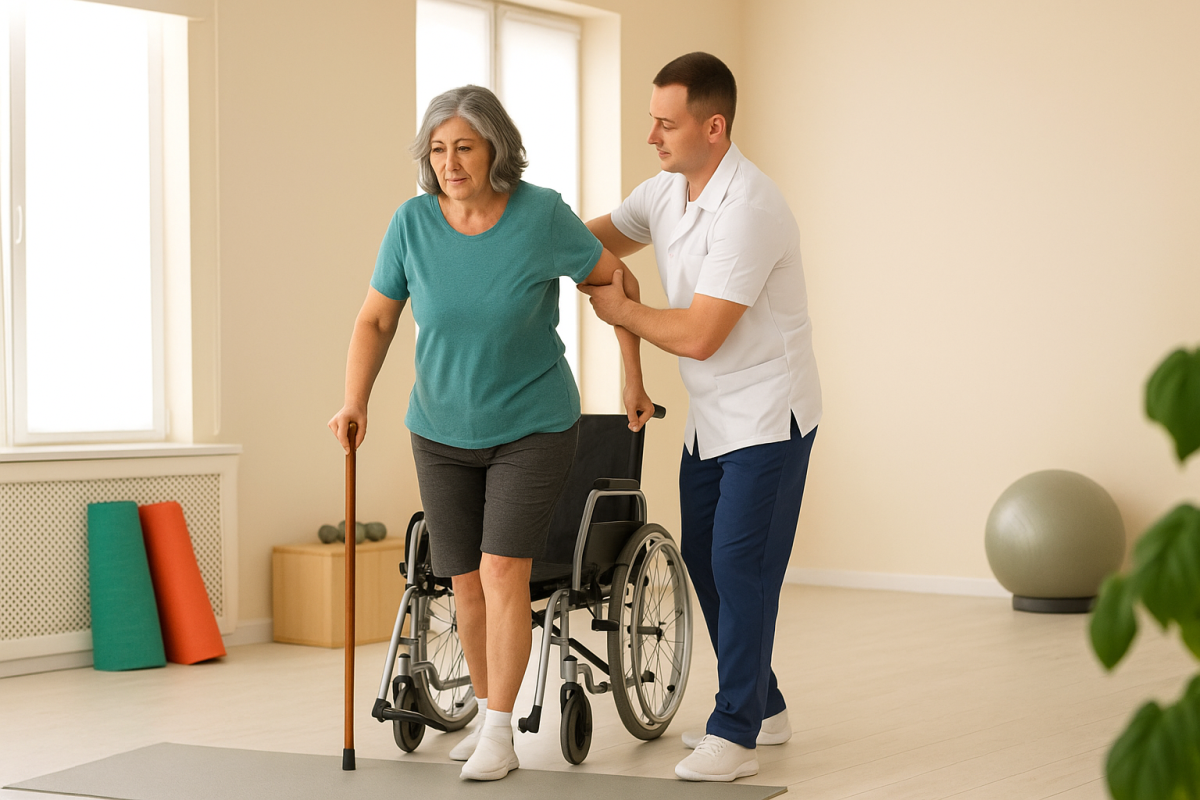
Rehabilitation after a heart attack
Rehabilitation After a Heart Attack at the «Graal» Clinic
Recovery after a heart attack is an essential stage on the way to full health. At the «Graal» clinic, we apply a comprehensive approach to cardiac rehabilitation, combining modern medical methods, physical therapy and psychological support. The programme is designed to help patients safely restore physical activity, strengthen the heart and prevent recurrent cardiac events.
Comprehensive Recovery Programme
Cardiac rehabilitation at «Graal» combines therapeutic exercise, cardiovascular monitoring, lifestyle adjustments and emotional support. All activities are carried out under the supervision of a cardiologist, physiotherapist and rehabilitation specialist.
- Regular monitoring of blood pressure, heart rate and oxygen saturation.
- Selection of safe physical exercises with gradual intensity increase.
- Lifestyle correction: balanced nutrition, smoking cessation and healthy sleep routine.
- Psychological assistance to reduce anxiety and support motivation during recovery.
Stages of Rehabilitation After a Heart Attack
- 1. Initial Stage — begins in the hospital under medical supervision. The goal is to restore basic movement: breathing exercises, short walks and gentle daily activities to prevent complications and prepare the body for further activity.
- 2. Active Stage — conducted on an outpatient basis or at home with physiotherapist guidance. The patient performs endurance and coordination exercises, light training and learns to control pulse, pressure and breathing.
- 3. Maintenance Stage — aimed at strengthening the heart and forming healthy habits. Recommended activities include walking, swimming, cycling or Nordic walking with regular check-ups and heart monitoring.
Monitoring and Complication Prevention
During rehabilitation, special attention is paid to safety. At «Graal», patients are monitored using modern diagnostic tools: blood pressure measurement, ECG, and oxygen level control. If any changes are detected, the programme is adjusted. This ensures maximum benefit with minimal risk.
Patients also receive detailed lifestyle recommendations — weight control, stress management, sufficient sleep and a balanced diet. Such preventive measures significantly improve the cardiovascular system’s long-term stability.
Nutrition and Lifestyle
After a heart attack, it is essential to reduce cardiac load and support vascular health. Dietitians at «Graal» create personalised nutrition plans rich in potassium, magnesium, omega-3 fatty acids and fibre. The diet emphasises vegetables, fish, whole grains and minimal salt or saturated fats. Healthy eating, combined with moderate exercise, helps reduce the risk of another cardiac event.
Psychological Support After a Heart Attack
A heart attack often leads to anxiety, fear and uncertainty. Psychologists at the «Graal» clinic provide professional support to help patients overcome stress, regain confidence and restore emotional balance. This approach accelerates recovery and improves motivation for active participation in rehabilitation.
Physical Activity After a Heart Attack
Physical exercise is the cornerstone of cardiac rehabilitation but must be carefully dosed. Each patient receives a personalised activity plan tailored to their condition. The most beneficial forms of activity include:
- daily outdoor walks (10–30 minutes, gradually increasing in duration);
- stationary bike training with pulse and blood pressure control;
- swimming or water aerobics to reduce joint strain;
- breathing exercises that improve oxygenation and relaxation.
FAQ
When should rehabilitation start after a heart attack?
Usually right after the patient’s condition stabilises, under a doctor’s supervision. Early rehabilitation significantly increases recovery success.
How long does the rehabilitation take?
On average, from 3 to 6 months, depending on age, health status and physical endurance.
Can I exercise after a heart attack?
Yes, but only after consulting a cardiologist. Light aerobic activities such as walking, swimming, yoga and cycling are recommended.
Is home rehabilitation possible?
Yes. After the initial stage in the clinic, patients receive an individual home-based programme with periodic medical supervision.
Does rehabilitation reduce the risk of another heart attack?
Absolutely. Systematic cardiac rehabilitation significantly lowers the risk of recurrence and supports long-term heart health.
Зареєструйтесь онлайн перед приїздом.