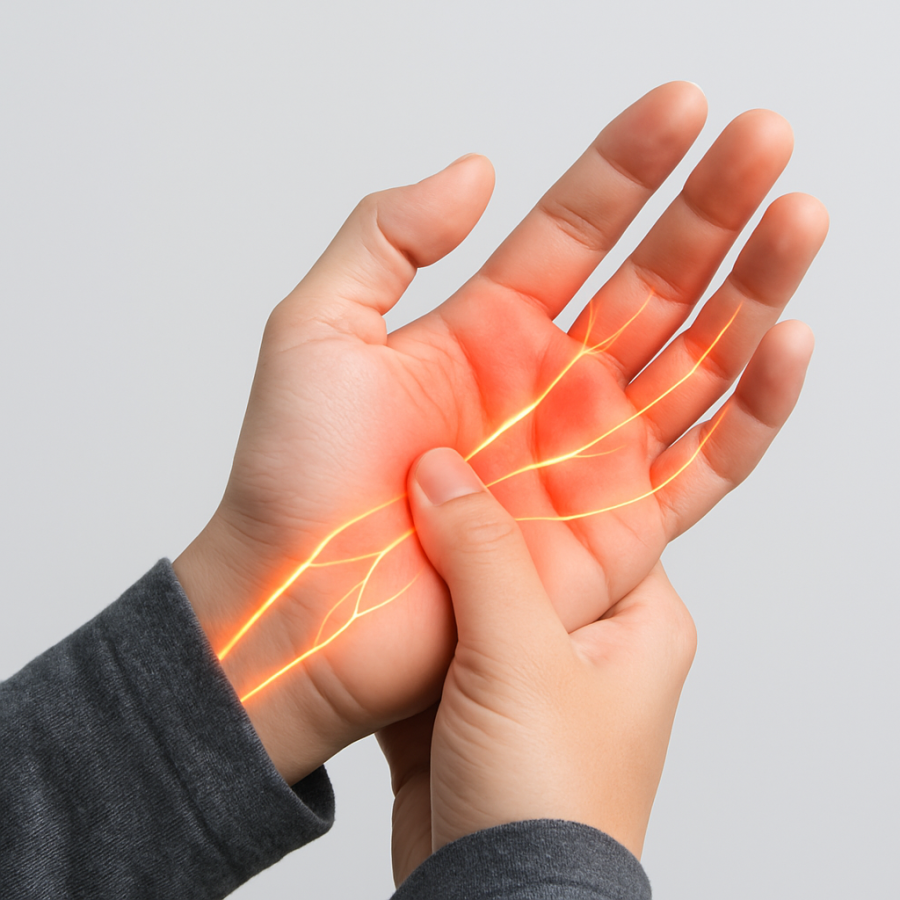
Neuropathies
Neuropathies: causes, typical symptoms and modern treatment approaches
Neuropathy refers to a group of disorders in which peripheral nerves responsible for movement, sensation and communication between organs and the central nervous system become damaged. The condition may affect a single nerve or multiple nerve branches and often involves both sensory and motor fibers. Patients typically experience pain, tingling, numbness, weakness or functional decline in the affected area.
At the Graal Clinic, neuropathies are viewed not only as a local issue but as part of a systemic neurological imbalance. This is why our approach includes identifying the root cause, assessing metabolic factors, evaluating accompanying disorders and designing a personalized rehabilitation plan.
Main causes of neuropathy
Peripheral nerves can be damaged by mechanical, infectious, toxic or metabolic factors. In some patients, neuropathy develops gradually, while in others the symptoms appear suddenly and significantly disrupt daily life.
- Mechanical compression or injury. Nerve damage after trauma, fractures, repetitive strain or long-lasting external pressure.
- Infections. Herpes viruses, shingles, Lyme disease and other viral conditions.
- Metabolic disorders. Diabetes is the most common cause of polyneuropathy in adults.
- Chronic diseases. Thyroid disorders, autoimmune diseases, rheumatoid arthritis.
- Vitamin B deficiencies. Vitamins B1, B6 and B12 are essential for nerve regeneration and healthy function.
- Toxic exposure. Alcohol, heavy metals, certain medications and chemotherapy.
To determine the underlying cause, specialists at the Graal Clinic use comprehensive diagnostics including electromyography, laboratory tests, hormonal evaluation and nerve conduction studies.
Common types of neuropathy and their symptoms
Clinical signs depend on the nerve involved, severity of the damage and duration of the condition. Sensory, motor or mixed nerves may be affected.
Facial nerve neuropathy
This condition often causes sudden asymmetry of facial muscles. Patients may be unable to close one eye fully, raise an eyebrow or smile. Common causes include viral infections, cold exposure and trauma.
Carpal tunnel syndrome
Results from compression of the median nerve. Key symptoms include numbness, «electric shock» sensations, wrist pain and weakness of the thumb muscles. Frequently seen in individuals who perform repetitive hand movements or work long hours at a computer.
Ulnar nerve neuropathy
Symptoms include numbness in the little and ring fingers, elbow pain and weakness of hand muscles. Caused by leaning on the elbow, sleeping with the arm bent, or repetitive flexion movements.
Radial nerve neuropathy
Occurs after prolonged pressure on the shoulder or trauma. Patients develop «wrist drop» — an inability to lift the hand. Numbness and loss of sensation on the back of the hand are typical.
Peroneal nerve neuropathy
Associated with tight casts, squatting, crossing legs or pressure on the fibular head. Causes foot drop, difficulty lifting the foot and altered gait.
Neuropathy of the lower limbs
This serious form involves multiple peripheral nerves. Patients experience burning pain, numbness, tingling, weakness and difficulty walking.
Diagnosis and treatment at the Graal Clinic
Effective treatment depends on accurately identifying the cause of nerve damage. At the Graal Clinic, a comprehensive neurological evaluation is performed to detect associated disorders such as metabolic imbalance or systemic disease.
- Medication therapy. Neuroprotective agents, anticonvulsants, antidepressants, vitamin B complexes and local anesthetics.
- Physiotherapy. Electrical stimulation, magnetotherapy, therapeutic exercises and kinesiotherapy to improve nerve conduction.
- Massage and manual techniques. Help restore muscular balance and relieve nerve compression.
- Lifestyle corrections. Particularly important for patients with diabetic neuropathy — glucose control, proper nutrition and moderate activity.
The key advantage of the Graal Clinic is personalized rehabilitation programmes developed by neurologists and physical therapists, helping patients reduce pain, restore function and maintain long-term neurological stability.
FAQ
-
Can neuropathy resolve on its own?
Mild cases may improve, but without proper treatment nerve damage often progresses. Early therapy significantly improves outcomes.
-
How do I know if a nerve is affected?
Typical signs include tingling, burning, numbness, muscle weakness or sharp pain along the nerve pathway. Diagnosis is confirmed with a neurological exam and electromyography.
-
Are B vitamins helpful?
Yes, they support nerve regeneration, but should be used only as part of a full treatment plan prescribed by a doctor.
-
Is neuropathy fully curable?
It depends on the cause. Compression-related neuropathies often resolve completely; metabolic disorders require long-term management.
-
When should I see a doctor?
Seek help if you experience numbness, weakness, burning sensations, sudden loss of sensitivity or pain along a nerve pathway.
Зареєструйтесь онлайн перед приїздом.